
Biochar. Improving soil fertility and crop productivity through organic agricultural inputs.
- Country: Philippines.
- Location: Caraga Region, Mindanao island.
- Duration: September 2023 to August 2024.
- Participants: 100 small agricultural input distributors, 5,000 farmers.
- Area of specialization: Rural market development, Microentrepreneurship training.
Starting point
The agricultural sector as a whole is responsible for 30% of global emissions, primarily from the use of chemical fertilizers and the burning of biomass.
On the island of Mindanao, farmers are faced with the effects of climate change, with typhoons and floods also posing a threat to the population. Their agricultural system is complex and geared toward productive efficiency. The vast majority of small farmers use chemical fertilizers that progressively erode the soil, reducing its productivity and resilience to climate change. This has unintended consequences for the environment.
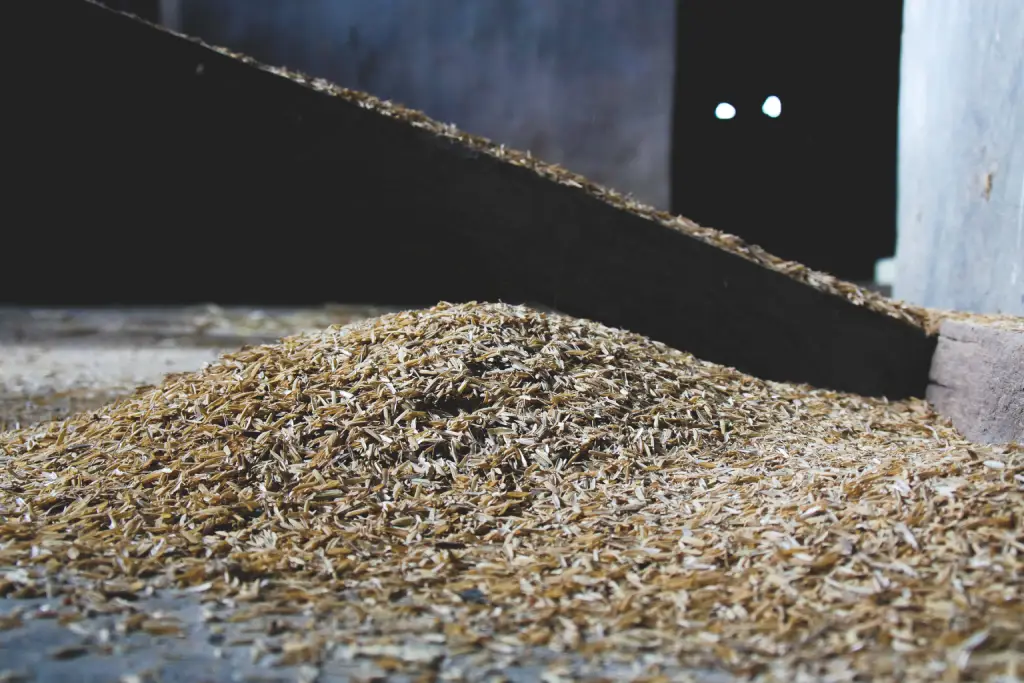
In the Philippines, the rice industry is a vital part of the daily economy. The rice value chain begins with the provision of inputs for rice production and ends with the consumption of milled rice. The rice husk is discarded and destroyed by burning.
Objective
Reducing pollution in agri-food value chains and increasing the economic viability of rice farmer cooperatives in the Caraga region of Mindanao.
What is the project about
In collaboration with the Barcelona-based company HUSK Ventures, CODESPA identified a solution in Biochar: an organic compound obtained from rice husks that farmers often discard. This will be key to improving soil fertility and productivity by using these residues as organic fertilizer.
In this project, CODESPA promotes the production of organic carbon-based inputs from rice husks among rice farmers in SMEs. In addition, awareness-raising efforts will be carried out among farmers in the region to gradually shift from using chemicals to biocarbon-based inputs produced on rice farms.
Furthermore, the sale of certified carbon credits will provide additional financing, which will help improve their financial sustainability.
The project phases consist of:
- Rice mills recycle discarded husks and use specialized machinery to produce biochar.
- This organic product is distributed through small shops, cooperatives, and producer associations in communities in Mindanao.
- Farmers use biochar on their plots, reducing the cost and use of chemical fertilizers, increasing crop productivity, and regenerating the soil.
- CODESPA continues to conduct demonstration and awareness campaigns on the benefits of biochar, expanding its use and fostering farmer demand. It will also provide technical assistance to farmers to implement green and sustainable agriculture that is also economically profitable.
The expected result of the project is:
- 25 mills are adopting biochar production, finding a new source of income and recovering rice waste.
- 100 small agricultural input distributors gain a new source of income through the sale of biochar.
- 5,000 farmers reduce their use of chemical fertilizers, increase their productivity, and restore soil fertility.
Entities that support this project