Financial education and entrepreneurship development for people with disabilities and their families in Guatemala.
- Country: Guatemala.
- Location: Rural communities in the municipalities of Jocotán and Camotán, in the department of Chiquimula.
- Duration: September 2023 to August 2025.
- Participants: 100 people with physical, hearing, and/or visual disabilities, at least 50% of whom are women, and their families.
- Area of specialization: Microentrepreneurship training, Microfinance services, Rural market development.
Starting point
In the communities of the municipalities of Jocotán and Camotán, the majority of the population belongs to the Ch’orti ethnic group and lives in the area known as the dry corridor. This is one of the regions in Central America with the highest prevalence of extreme droughts and tropical storms.
In this context, families, especially Indigenous families, are highly vulnerable and experience the highest rates of poverty, malnutrition, and social exclusion in the country. Poverty is generated not only by exclusion, but also by the lack of land suitable for agriculture, low educational levels, and a lack of technical skills and financial services for entrepreneurship. Their main source of income is seasonal work in coffee harvesting on farms outside their communities, and families’ economic activity is based on subsistence farming.
More than 1,500 people with various types of disabilities live in this situation, which exacerbates their situation of discrimination and exclusion. They face barriers to accessing healthcare and formal education, communication, and a lack of technical training. Furthermore, they lack access to financial services for entrepreneurship or to improve their quality of life, nor to formal employment.
Objective
People with disabilities from rural communities in the Chiquimula department of Guatemala can generate stable income through access to credit and entrepreneurship.
What is the project about
CODESPA is developing this project together with its local partners, ASORECH and Rompiendo Límites (ASORO). The project will provide participants with access to microcredit and help them create small businesses, providing them with a basic income at the end of the month. This will be achieved through:
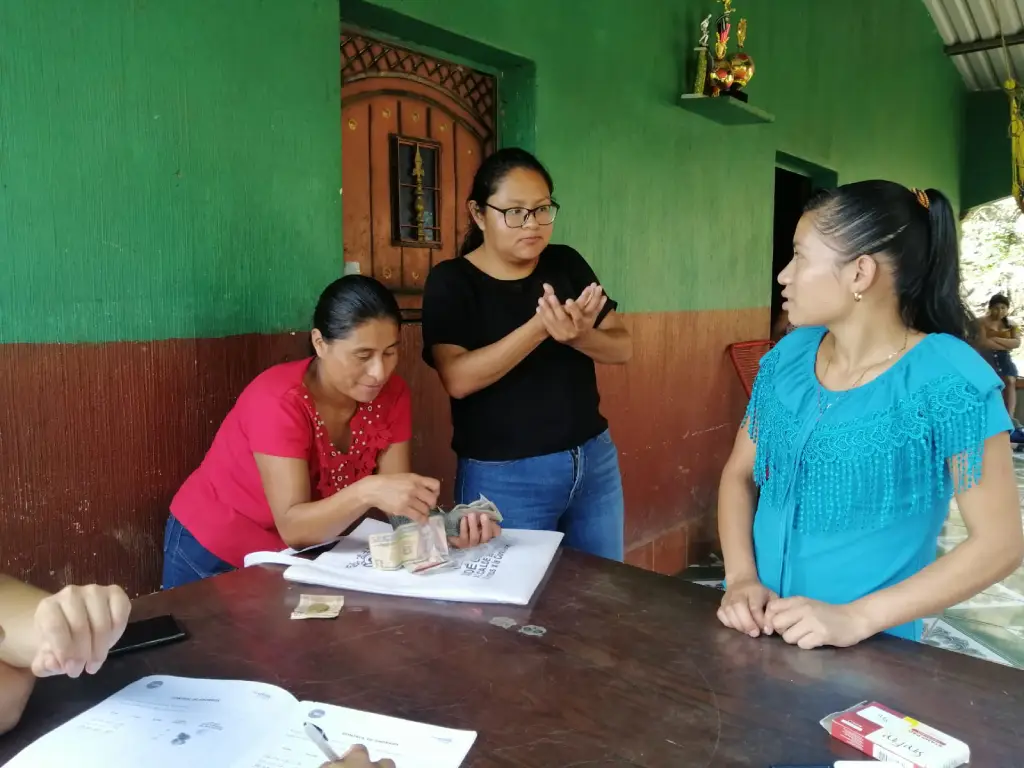
- Financial Education. CODESPA will train 100 people with different types of disabilities to create their own savings and credit group. A total of 5 groups will be created, each consisting of 20 people. Each month, members invest a portion of their savings in a common fund and, by consensus, decide who in the group will be granted small loans and what the loans will be used for.
- Entrepreneurship training. In the first phase, the 100 beneficiaries will receive entrepreneurship training to create small businesses selling products, crafts, and food. In the second phase, once they have been trained to develop these initiatives, they will receive seed capital to launch their ventures. Additionally, throughout the process, they will receive technical assistance from CODESPA, which will connect them with buyers of their products and services.
All training will be carried out with materials adapted to the physical and visual disabilities of the beneficiaries, 50% of whom will be women.
Entities that support this project